
Michigan homeowners face real challenges when choosing driveway materials. Harsh winters, constant freeze thaw cycles, and heavy vehicles test every surface. Many homeowners feel tired of repairs, puddles, and constant maintenance. Because of this, choosing the right driveway material matters more than ever. A crushed asphalt driveway delivers durability, value, and long term performance for modern homes.
Homeowners want solutions that last without draining budgets. Asphalt recycling offers a practical answer while supporting sustainability. When installed correctly, crushed asphalt handles pressure, weather shifts, and daily use with confidence. This option continues to gain popularity across Michigan neighborhoods for good reason.
Understanding Crushed Asphalt and How It Works
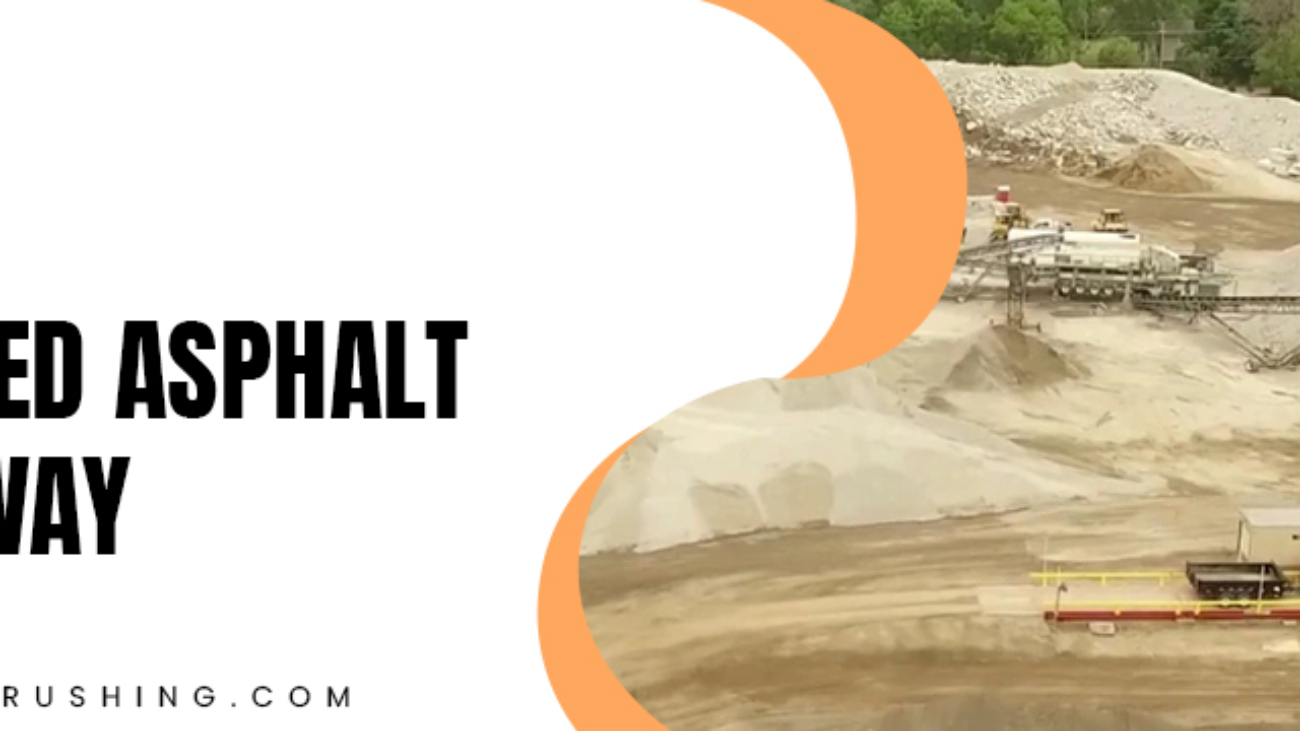
Crushed asphalt comes from reclaimed pavement that contractors grind into reusable material. This recycled base still contains asphalt binders that react under pressure. When compacted properly, the material locks together tightly. That bonding strength creates a solid surface that resists shifting and erosion.
Unlike loose gravel, crushed asphalt forms a firm structure. It does not scatter easily under tires. Instead, it settles into a smooth, reliable driving surface. Homeowners appreciate this stability, especially during wet seasons.
Why Michigan Homes Need Smarter Driveway Solutions
Michigan weather creates constant stress on driveways. Winter freezes cause expansion. Spring thaws introduce moisture and soft ground. Summer heat adds pressure through expansion and vehicle weight. Traditional concrete often cracks under these conditions. Gravel driveways wash out during heavy rain.
A crushed asphalt driveway adapts better to these cycles. The material flexes instead of cracking. It absorbs temperature changes without losing integrity. That flexibility keeps surfaces functional year after year.
Environmental Benefits That Matter Today
Sustainability matters to modern homeowners. Crushed asphalt supports eco-conscious building by reusing existing materials. Homeowners benefit from durability while supporting greener construction practices.
This recycled option also reduces demand for newly mined aggregates. That choice lowers environmental impact without sacrificing performance. Choosing crushed asphalt supports responsible construction across Michigan communities.
Superior Performance Compared to Gravel
Many homeowners start with gravel driveways due to lower upfront costs. However, gravel shifts easily and creates ruts. Rain washes gravel away, requiring frequent refills. Dust becomes another concern during dry months.
Crushed asphalt behaves differently. Once compacted, it stays in place. Vehicles do not scatter material across lawns. The surface feels smoother and quieter under tires. Over time, homeowners save money by avoiding constant maintenance.
Lower Maintenance Without Compromise
Homeowners want driveways that require minimal attention. Crushed asphalt meets that expectation. The compacted surface resists potholes and washouts. Occasional regrading keeps the surface looking fresh.
Snow removal also becomes easier. Plows glide smoothly across compacted asphalt without catching loose stones. That benefit reduces damage during winter clearing.
Cost Effective Without Cutting Corners
Budget concerns influence every home improvement decision. A crushed asphalt driveway costs less than full concrete installation. At the same time, it offers greater longevity than basic gravel.
The recycled nature of asphalt lowers material costs. Faster installation reduces labor expenses. Homeowners receive excellent value without sacrificing strength or appearance.
Visual Appeal for Modern Homes
Modern homeowners care about curb appeal. Crushed asphalt provides a clean, dark finish that complements contemporary designs. Over time, the surface blends naturally into the surrounding landscape.
Unlike concrete, crushed asphalt does not show stains as easily. Oil marks blend into the surface instead of standing out. That quality keeps driveways looking neat longer.
Installation Matters More Than Material Alone
Even the best materials fail without proper installation. A successful driveway starts with site preparation. Contractors grade the base carefully to ensure proper drainage. Compacting the sub base prevents future settling.
Next, crews spread crushed asphalt evenly across the surface. Proper compaction activates the asphalt binders. That step locks everything together. Without proper compaction, even high quality material underperforms.
Handling Heavy Loads with Confidence
Modern homes often support heavier vehicles. Delivery trucks, recreational vehicles, and equipment add stress to driveways. Crushed asphalt handles these loads effectively when installed correctly.
The bonded surface distributes weight evenly. That reduces pressure points that cause cracking or sinking. Homeowners gain confidence knowing their driveway supports daily demands.
Weather Resistance That Pays Off
Rain creates problems for many driveway surfaces. Water pooling leads to erosion and soft spots. Crushed asphalt promotes better drainage when graded properly. Water flows away instead of soaking in.
During winter, the flexible surface resists cracking from ice expansion. That resistance prevents costly repairs after harsh seasons.
Supporting Clean and Organized Homes
A stable driveway contributes to cleaner homes. Loose gravel often tracks into garages and entryways. Crushed asphalt stays put, reducing debris.
This stability complements home services like residential garbage pickup, which requires frequent truck access. A solid driveway handles repeated traffic without rutting or damage.
Driveway Reliability for Everyday Services
Homeowners rely on consistent access for deliveries and services. Trash collection trucks require dependable surfaces. A crushed asphalt driveway supports routine visits from residential trash pickup providers without surface breakdown.
That reliability matters during busy weeks and seasonal cleanouts. Homeowners avoid access issues that disrupt schedules.
Long Term Value for Homeowners
Investing in crushed asphalt delivers lasting benefits. Lower maintenance costs add up over time. Fewer repairs reduce long term expenses. The driveway continues performing through Michigan’s toughest seasons.
Homeowners also increase property appeal. Buyers appreciate durable, low maintenance features. A well maintained driveway adds perceived value to any home.
Partnering With a Team That Cares
Michigan conditions demand local expertise. Contractors who understand soil types, drainage patterns, and seasonal challenges deliver better results. Working with professionals who know Michigan weather prevents common mistakes. That knowledge protects homeowner investments.
At the end of the day, homeowners want honest guidance and reliable work. At Caveman Crushing, we believe in straightforward communication and durable solutions. We design driveways that handle Michigan winters without shortcuts. At Caveman Crushing, we take pride in helping homeowners build surfaces that last for years.
Final Thought
Choosing a crushed asphalt driveway makes sense for homeowners who want durability without constant repairs. It handles seasonal changes with ease and stays firm through heavy use. Michigan weather tests every surface, yet this option keeps performing year after year. It also supports sustainable choices because recycled materials reduce waste. Over time, maintenance stays simple and affordable. When installed with care and proper preparation, the surface delivers long term value and everyday convenience. For modern homes that demand strength, flexibility, and smart investment, this solution continues to stand out as a reliable and practical driveway choice.
FAQ
- Is crushed asphalt better than gravel for Michigan homes?
- Yes. Crushed asphalt compacts tightly, resists washouts, and handles freeze thaw cycles better than gravel.
- How long does a crushed asphalt driveway last?
- With proper installation and maintenance, it can last many years while maintaining performance.
- Does crushed asphalt require sealing?
- Most installations do not require sealing. Occasional regrading maintains surface quality.