
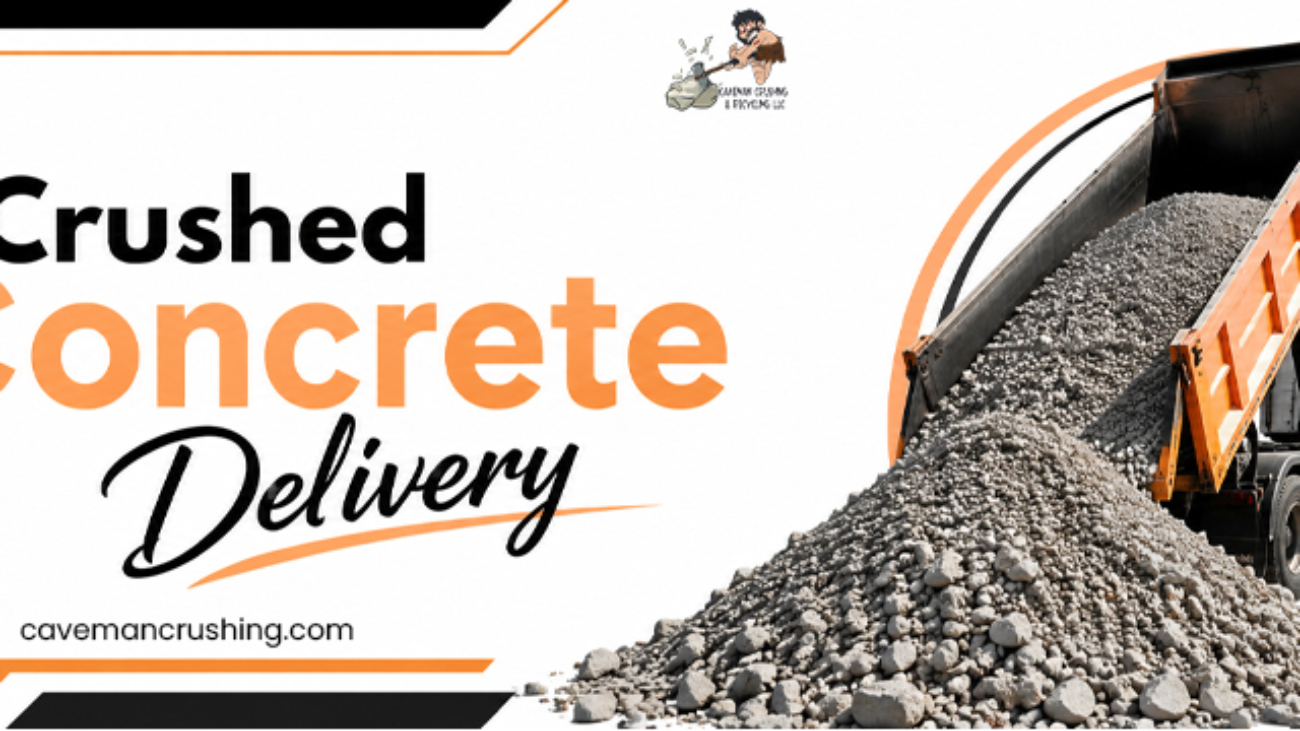
Construction schedules depend on skilled crews, good plans, and materials arriving when the site is ready. That is why crushed concrete delivery matters for Michigan builders. Recycled concrete offers a dependable aggregate option for road bases, driveways, foundations, drainage work, and other demanding projects.
Michigan weather and soil conditions can affect base performance. Choosing the right aggregate and dependable delivery helps crews avoid unnecessary delays.

What Is Crushed Concrete?
Crushed concrete is recycled aggregate produced by processing old concrete into usable pieces. The material can be screened and graded for different construction purposes. Recycling gives suitable concrete waste another useful role.
One common option is 21AA crushed concrete. The 21AA designation relates to Michigan Department of Transportation specifications and is associated with aggregate used for base applications. Its grading and compaction characteristics make it useful where a firm, stable layer is needed.
Another option is 1×3 crushed concrete. Its larger size suits selected applications where drainage, stability, or a coarse aggregate layer is required. The correct material depends on the project design, site conditions, and intended use.
Why Delivery Matters on Michigan Job Sites
Planning crushed concrete delivery is only part of the process. Getting the right quantity to the right location matters just as much.
Keep Crews Moving
A delayed aggregate load can interrupt grading, excavation, paving, or foundation preparation. Coordinated crushed concrete delivery helps contractors plan material placement around the work schedule. That can reduce idle equipment time and keep crews productive.
Manage Quantities
Contractors usually estimate material by volume, depth, and area before ordering. However, requirements can change after excavation reveals unexpected soil conditions. A dependable supplier can help coordinate additional loads when needed.
Where Crushed Concrete Can Be Used
Recycled concrete can serve several purposes when properly selected and installed.
Road and Driveway Bases
Crushed concrete is commonly used beneath roads, driveways, parking areas, and other surfaces. Proper grading and compaction create a stable base for upper layers. This is important where vehicles repeatedly apply heavy loads.
For larger projects, consider thickness, drainage conditions, subgrade strength, and the final surface. Material selection should follow engineering requirements rather than aggregate size alone.
Foundations and Construction Pads
A prepared aggregate layer can provide a firm working platform around construction areas. It may support access routes, equipment areas, or other prepared surfaces. Site preparation remains critical because aggregate performance depends on the underlying soil.
Drainage Applications
Certain crushed concrete grades can support drainage-related construction when their size and permeability suit the design. Contractors may use aggregate around drainage features, trenches, or areas where water movement must be managed.
If your project includes excavation, grading, or water-management work, a drainage service MI contractor may need to coordinate aggregate placement with the broader drainage plan.
Landscaping and Erosion Control
Crushed concrete can also work in landscaping projects, pathways, access areas, and erosion-control applications. Its recycled nature makes it useful for projects seeking to reuse construction materials while maintaining practical performance.
21AA vs. 1×3: Which Material Should You Choose?
The answer depends on the project.
21AA crushed concrete is often considered when a compactable base is needed. It can work well for roads, driveways, foundations, and similar applications where a dense, stable layer matters.
1×3 crushed concrete is a coarser option. It may suit applications requiring larger aggregate, including selected drainage, erosion-control, and base situations.
The two materials should not be treated as interchangeable. Review the plans, expected loads, drainage requirements, and subgrade conditions before ordering. When specifications are unclear, discuss the application with an experienced aggregate provider.
How to Plan Crushed Concrete Delivery Successfully
Good crushed concrete delivery starts before the truck leaves the yard.
First, confirm the material type and estimated quantity. Next, identify the delivery area and make sure trucks can enter, turn, and unload safely. Soft ground, narrow access points, low clearances, and active equipment can complicate unloading.
Then, establish a delivery window that matches site operations. For large jobs, staged loads may be more practical than receiving everything at once. Clear communication also helps prevent confusion about material placement.
Finally, inspect the aggregate for the expected type and general consistency. Keep project specifications available for checking.
Sustainability Without Sacrificing Practicality
Recycling concrete reduces the need to treat usable demolition material as waste. It also creates an alternative to relying exclusively on newly quarried aggregate.
Recycled aggregate must still meet the performance needs of the application. Quality processing, grading, placement, and compaction influence the finished result.
Consequently, sustainability works best when combined with sound construction practices.
What Makes a Delivery Partner Reliable?
A dependable aggregate and hauling provider should understand materials and job-site logistics. Look for clear communication, realistic scheduling, consistent product quality, and the ability to handle different project requirements.
Experience matters when conditions change. Michigan projects can encounter weather delays, shifting schedules, and changing material requirements. A responsive delivery partner can make adjustments without turning a small change into a major disruption.
For projects involving water control, coordination is particularly important. A drainage service MI team may need aggregate delivered in a specific sequence so excavation, pipe installation, backfilling, and surface preparation can progress efficiently.
Questions Builders Should Ask Before Ordering
Before arranging crushed concrete delivery, ask:
- Which aggregate grade matches the project specifications?
- How much material is required for the planned depth?
- Can trucks safely reach the unloading area?
- Should deliveries be scheduled in stages?
- Does the project require drainage coordination?
- What grading requirements must the material meet?
These questions help prevent avoidable mistakes.
Reliable Construction Materials and Crushing Solutions
Caveman Crushing & Recycling provides dependable construction materials, recycling, and mobile crushing services tailored to project specifications. From concrete, asphalt, dirt, and topsoil recycling to convenient dumping and pickup solutions, our team supports efficient job-site operations. We also offer transportation services and equipment rentals, including sweeping units and water trucks. Whether you need crushed concrete delivery or on-site material processing, Caveman Crushing & Recycling combines practical expertise, flexible solutions, and reliable service to keep Michigan construction projects moving.

Final Takeaway
For Michigan builders, recycled concrete can be a practical material for bases, access areas, drainage-related work, landscaping, and erosion control. The best results come from matching the aggregate to the application, preparing the subgrade properly, and coordinating delivery with the job schedule.
A reliable crushed concrete delivery plan can help control material flow, reduce downtime, and keep site operations organized. Furthermore, recycled aggregate supports a more resource-conscious approach without abandoning the performance standards that construction projects demand.
When drainage work is part of the scope, coordinate aggregate requirements early with the drainage service MI provider and the site team. This helps ensure that material, equipment, and installation work follow the same plan.
For builders seeking dependable recycled aggregates and responsive hauling support, Caveman Crushing offers a practical option for keeping Michigan projects supplied and moving forward.
FAQs
1. What are the benefits of crushed concrete delivery?
Crushed concrete provides a practical recycled aggregate option for roads, driveways, foundations, drainage applications, landscaping, and erosion control. Reliable delivery also helps Michigan builders maintain material flow and reduce project delays.
2. Which crushed concrete size is right for my project?
21AA crushed concrete suits compactable base applications, while 1×3 crushed concrete is a coarser option for selected drainage, erosion-control, and base uses. Project specifications and site conditions should guide the choice.
3. How is crushed concrete delivery priced?
Pricing can depend on the material type, required quantity, delivery distance, site access, and scheduling needs. Requesting project-specific details before ordering helps establish the appropriate material and delivery requirements.
4. How can I trust a crushed concrete supplier?
Look for consistent aggregate quality, clear communication, reliable scheduling, appropriate material grading, and experience with Michigan construction projects. Properly processed recycled concrete should also be matched to the intended application.
5. What makes recycled concrete delivery different from traditional aggregate delivery?
Recycled concrete can provide a cost-conscious and resource-efficient alternative to virgin aggregate. Options such as 21AA and 1×3 allow contractors to select material based on project requirements rather than using one aggregate for every application.